| Back to Patient Care |
|
| The department was started by Dr S.S Badrinath, founder, Sankara Nethralaya and a vitreo retinal surgeon of international repute and has remained over decades, the busiest vitreo retinal unit in India, providing the most advanced care not only to patients from different parts of the country but from neighbouring countries as well. |
|
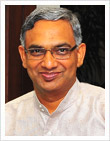 |
Director: Dr Pramod Bhende
Location: Sankara Nethralaya, Chennai
E mail id: drpb@snmail.org |
|
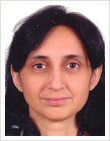 |
Deputy Director: Dr Muna Bhende
Location: Sankara Nethralaya, Chennai
E mail id: drmuna@snmail.org |
|
|
| Chennai Centre |
|
| Consultants: |
Dr Lingam Gopal, Distinguished Senior Consultant |
| Dr Girish Shiva Rao |
| Dr Dhanashree Ratra |
| Dr Rajiv Raman |
| Dr Chetan Rao |
| Dr Pradeep S |
| Dr Vinata Muralidharan |
| Dr Suganeswari G |
| Dr Jaya Prakash V |
| Dr Charanya C |
| Dr Raaja Ganesh M |
| Dr Janani Sreenivasan |
| Dr Arkaprava Pradhan |
|
|
| Kolkata Centre |
|
| Consultants: |
Dr Debmalya Das |
| Dr Rupak Roy |
| Dr Eesh Nigam |
| Dr Kalpita Das |
| Dr Maitreyi Chowdhury |
| Dr Surabhi Chattree |
|
| |
| Touching lives, making a difference … |
| The faith and trust reposed by the people in Sankara Nethralaya’s vitroretinal department, manned by highly experienced doctors is evident by the fact that the department screened a total of 192447 outpatients and performed a significant 15361 surgeries in the period October 2016 to September 2017. |
|
| A wide range of advanced processes/equipment that aid in early and accurate diagnosis |
- Wide field fundus photography with Optos; Retcam
- Digital fundus angiography (fluorescein and Indocyanine green)
- Wide-angle angiography (Spectralis)
- Ultra sonography
- Ultra sound biomicroscopy
- Optical coherence tomography- Spectral domain; Swept source
- OCT angiography
A full array of electro diagnostic services including electro retinography (full field, pattern and multifocal), electro oculography, visually evoked potential testing, specific facilities for fundus angiography and electro diagnostic work up and Retcam under general anesthesia for children. |
|
| State of the Art facilities and processes that make the difference in treatment quality |
- Laser photocoagulation with 512nm green laser; 810nm diode laser
- Trans pupillary thermotherapy
- Cryotherapy
- Photo dynamic therapy
- Vitreo retinal surgery: Fully equipped state of art vitreo retinal surgical suites - 6 in Chennai ; 4 in Kolkata
|
|
| Teaching and training initiatives aimed at spreading knowledge and skills |
| The department is engaged in high level knowledge dissemination initiatives and offers Fellowship programs at different levels; it has the pride of training 429 ophthalmologists in various specializations engaged in serving the visually impaired across the nation. |
|
| Details of Fellowships offered by the department |
|
| Programme |
Duration |
| Basic medical retina Fellowship |
1 month |
| Advanced medical retina Fellowship |
12 months |
| Vitreo retinal Fellowship |
24 months |
| Add-on research Fellowship |
6 months |
|
|
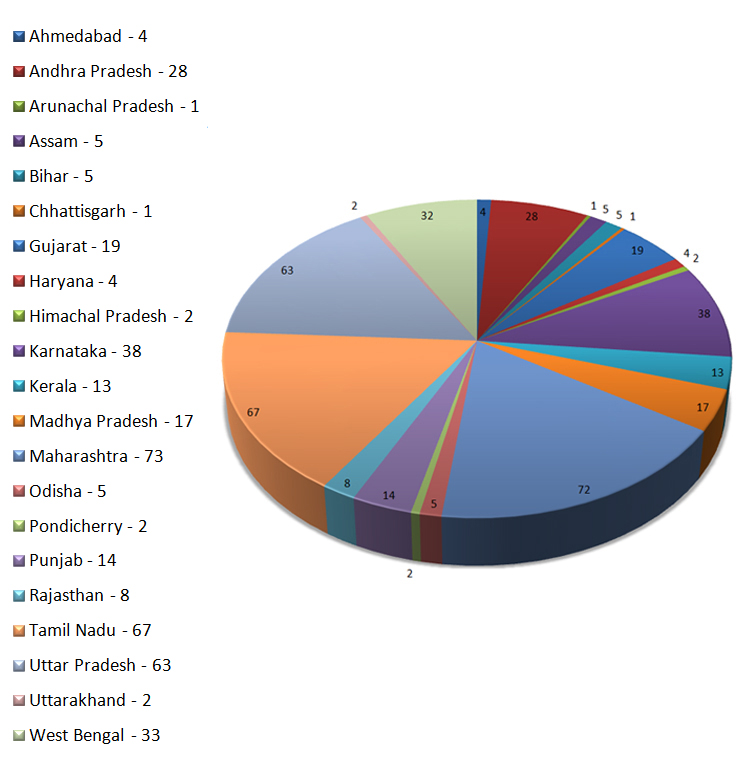
| A graphical representation of Fellows trained nationwide since inception |
|
|
|
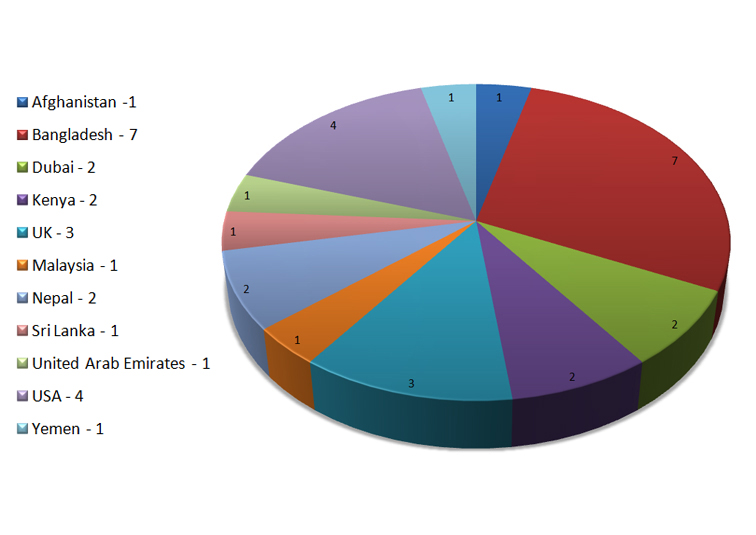
| A graphical representation of Fellows trained worldwide since inception |
|
|
| |
| Eligibility criteria, availability and objectives of various Fellowships being offered |
|
Basic Medical retina Fellowship:
- Duration: 1 month
- Number of slots available: 6 per year
- Target students: Fresh post graduates in ophthalmology and practicing ophthalmologists who wish to undergo a refresher course in medical retina
- Goals of Fellowship: At the end of the Fellowship the candidate would become conversant with the various approaches to investigating and managing medical retina cases. This short duration program also acts as a refresher course for general ophthalmologists.
- This short Fellowship does not however involve hands on training.
|
|
Advanced Medical Retina Fellowship:
- Duration: 12 months
- Number of slots available: 2 every 6 months
- Target students: Fresh postgraduates in ophthalmology intending to practice medical retina as a specialty
- Goals of Fellowship: At the end of the Fellowship the candidate would be able diagnose and manage most medical retina problems including diabetic retinopathy, age related macular degeneration etc. The program includes hands-on training in performing investigations and treatment modalities such as laser photocoagulation, intra-vitreal injections etc. The candidates are also trained in screening of ‘Retinopathy of prematurity’ (ROP) a major cause of preventable blindness that occurs in premature, low birth weight infants.
|
|
Clinical vitreo retinal Fellowship:
- Duration: 24 months
- Number of slots available: 6 every 6 months
- Target students: Fresh post graduates in ophthalmology
- Goals of Fellowship: Comprehensive training in all aspects of diagnosis, investigations and management of retinal disorders needing surgical and non- surgical treatment. The program includes hands on training in vitreo retinal surgical procedures (scleral buckling, pars plana vitrectomy etc), laser photocoagulation and intravitreal injections.
|
|
Add-on Research Fellowship:
- Duration: 6 months
- Target students: Fresh post graduates in ophthalmology
- Number of slots available: 2 every 6 months
- Goals of Fellowship: Provide exposure to research methodology; biostatistics and epidemiology. Candidates are attached to one or more research studies, clinical as well as basic science related.
|
|
Selection process:
- Screening MCQ examination followed by interviews will be conducted in the month of August every year.
- Except for the short-term medical retina Fellowship all the other programs start either in April or October every year.
|
|
Adhoc training programs:
The ongoing Lions Diabetic retinopathy skills transfer training program (SF 1634/324-A8) is for a total duration of 24 months and will end by March 2018
- Duration: 2 months
- Number of slots available: 2 every 2 months.
- Goals of the program: Dedicated to train a general ophthalmologist in the detection, investigation and medical management of diabetic retinopathy, it involves hands on training in laser retinal photocoagulation and administering of intra vitreal injections. While the students are trained to ascertain when vitreo retinal surgery is needed in a patient with diabetic retinopathy, no hands on training in performing vitreo retinal surgery is given in this program.
|
|
| Publications: |
The department is recognized as an authoritative and trusted source of knowledge and information in the field of vitroretina and has published in-depth, peer reviewed works in medical journals which have wide acceptance as reliable references in the subject.
The massive reach of its knowledge and findings can be gauged by the fact that the department has published 616 papers in peer reviewed journals since inception.
- 386 of them have been published in the last 10 yrs
- An average of 60 per year was published between 2015 and 2016.
Prominent areas covered by these publications include the following
- Coloboma choroid
- SN DREAMS publication on diabetic retinopathy.
- Retinopathy of Prematurity
- Retinoblastoma
- Retinal imaging
- Polypoidal choroidal vasculopathy
- Endophthalmitis.
|
|
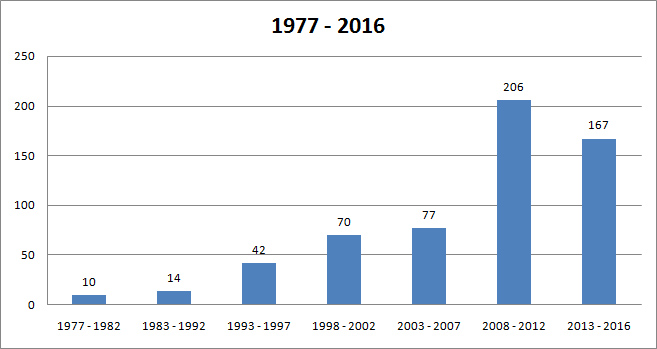
A graphical depiction of research papers from the VR department,
published in peer reviewed journals |
|
|
|
| Text books published: |
The Vitreo-Retina department is credited with bringing out in-depth works in the specialty that serve as reliable study and reference books for both students and medical practitioners. |
|
| We bring below a list of the same for the benefit of our readers |
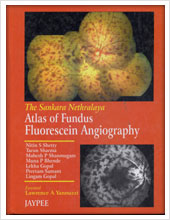
The Sankara Nethralaya Atlas of Fundus Fluorescein Angiography
Authors – Dr Nitin S Shetty, Dr Tarun Sharma, Dr Mahesh P Shanmugam, Dr Muna P Bhende, Dr Lekha Gopal, Dr Preetam Samant, Dr Lingam Gopal
Published by Ms Jaypee brothers in year 2004 |
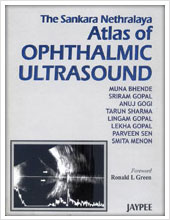
The Sankara Nethralaya Atlas of Ophthalmic Ultrasound
Authors – Dr Muna Bhende, Dr Sriram Gopal, Dr Anuj Gogi, Dr Tarun Sharma, Dr Lingam Gopal, Dr Lekha Gopal, Dr Parveen Sen, Dr Smita Menon
Published by Ms Jaypee brothers in year 2006 |
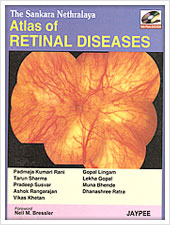
The Sankara Nethralaya Atlas of Retinal Diseases
Authors – Dr Padmaja Kumari Rani, Dr Tarun Sharma, Dr Pradeep Susvar, Dr Ashok Rangarajan, Dr Vikas Khetan, Dr Lingam Gopal, Dr Lekha Gopal, Dr Muna Bhende, Dr Dhanashree Ratra
Published by Ms Jaypee brothers in year 2008 |
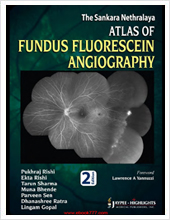
The Sankara Nethralaya Atlas of Fundus Fluorescein Angiography, 2nd edition
Authors – Dr Pukraj Rishi, Dr Ekta Rishi, Dr Tarun Sharma, Dr Muna Bhende, Dr Parveen Sen, Dr Dhanashree Ratra, Dr Lingam Gopal
Published by Ms Jaypee - Highlights Medical Publishers in year 2013 |
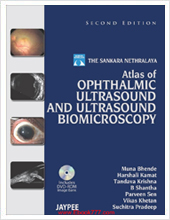
The Sankara Nethralaya Atlas of Ophthalmic Ultrasound and Ultrasound Biomicroscopy, 2nd edition
Authors – Dr Muna Bhende, Dr Harshali Kamat, Dr Tandava Krishna, Dr Shantha B, Dr Parveen Sen, Dr Vikas Khetan, Dr Suchitra Pradeep
Published by Ms Jaypee brothers in year 2013 |
| |
| Key initiatives towards knowledge dissemination: |
The Retina Summit 2015 on Diabetic Retinopathy and Vein Occlusion and Retina Summit 2016 on Retinal Detachment were well received by the ophthalmic fraternity. In addition public awareness programs related to Diabetic Retinopathy and Retinopathy of Prematurity have been conducted successfully. The Consultants of the department participate regularly in local, regional, national and international conferences. |
|
| Honours and recognitions |
The Bhagwan Mahavir VR services is proud to be served by 7 consultants who were adjudged as the best outgoing fellows in their respective batches. The consultants at the department have been awarded the best of session, overall best paper or best poster awards and travel grants in many national and international meetings including the Uveitis society of India, Vitreo retinal society of India, All India Ophthalmologic society, American Academy of ophthalmology and many state, subspecialty and regional meetings over the past few years. More recently, Dr Lingam Gopal received the Lifetime achievement award from SNEC, Singapore and the achievement award from the American Academy of Ophthalmology. Dr Pramod Bhende received the achievement award from the Asia Pacific association of Ophthalmology. Dr Rajiv Raman received the achievement award from the American Academy of Ophthalmology, runner up for the BMJ best research paper award, Late Dr. B.N.Shrivastava & late (Mrs.) Sarandulari Shrivastava Award from the Research Society for the Study of Diabetes In India. In the last AIOC meeting in Jaipur, Dr Muna Bhende and Dr Ekta Rishi received the Indian Journal of Ophthalmology platinum and gold awards respectively. Dr Pukhraj Rishi won the CN Shroff award for contribution to posterior segment work, and Dr Vikas Khetan won the best reviewer of IJO award. |
|
| Professional training to enhance knowledge and skills |
- Dr Pukhraj Rishi completed a 1 year ICO Helmerich Fellowship in ocular oncology services at the Wills Eye Hospital, Philadelphia
- Dr Pradeep Susvar spent 1 month in the vitro-retinal department at the Rotterdam Eye Hospital observing surgeries performed for AMD and high myopia
- Dr Vikas Khetan underwent a 1 year training in the department of pediatric ophthalmology and ocular genetics at the Wills Eye Hospital, Philadelphia in genotype-phenotype correlation
|
| |